Top Contentful alternatives for 2025
Looking for a Contentful alternative in 2025? We’ve rounded up the top 10 options to help you find the best fit for your team.

Written by Zaneta Styblova

Looking for a Contentful alternative in 2025? We’ve rounded up the top 10 options to help you find the best fit for your team.
Written by Zaneta Styblova
Contentful has become one of the most recognized names in the headless CMS space, attracting users with its API-first architecture and extensive customization options. But as teams scale and content operations grow more sophisticated, many are discovering that Contentful’s complexity, unpredictable pricing, and developer-heavy workflows don’t align with their evolving needs.
The headless CMS market has matured significantly, with platforms offering everything from AI-powered content intelligence to truly intuitive editing experiences. So if you’re frustrated by Contentful’s steep learning curve, concerned about budget predictability, or simply seeking better balance between developer flexibility and marketer autonomy, there’s likely a better fit out there.
In this guide, we’ll explore the top 10 Contentful alternatives for 2025, examining what makes each unique and helping you identify which might be the right choice for your team.
Enterprise-grade content operations with AI-powered intelligence
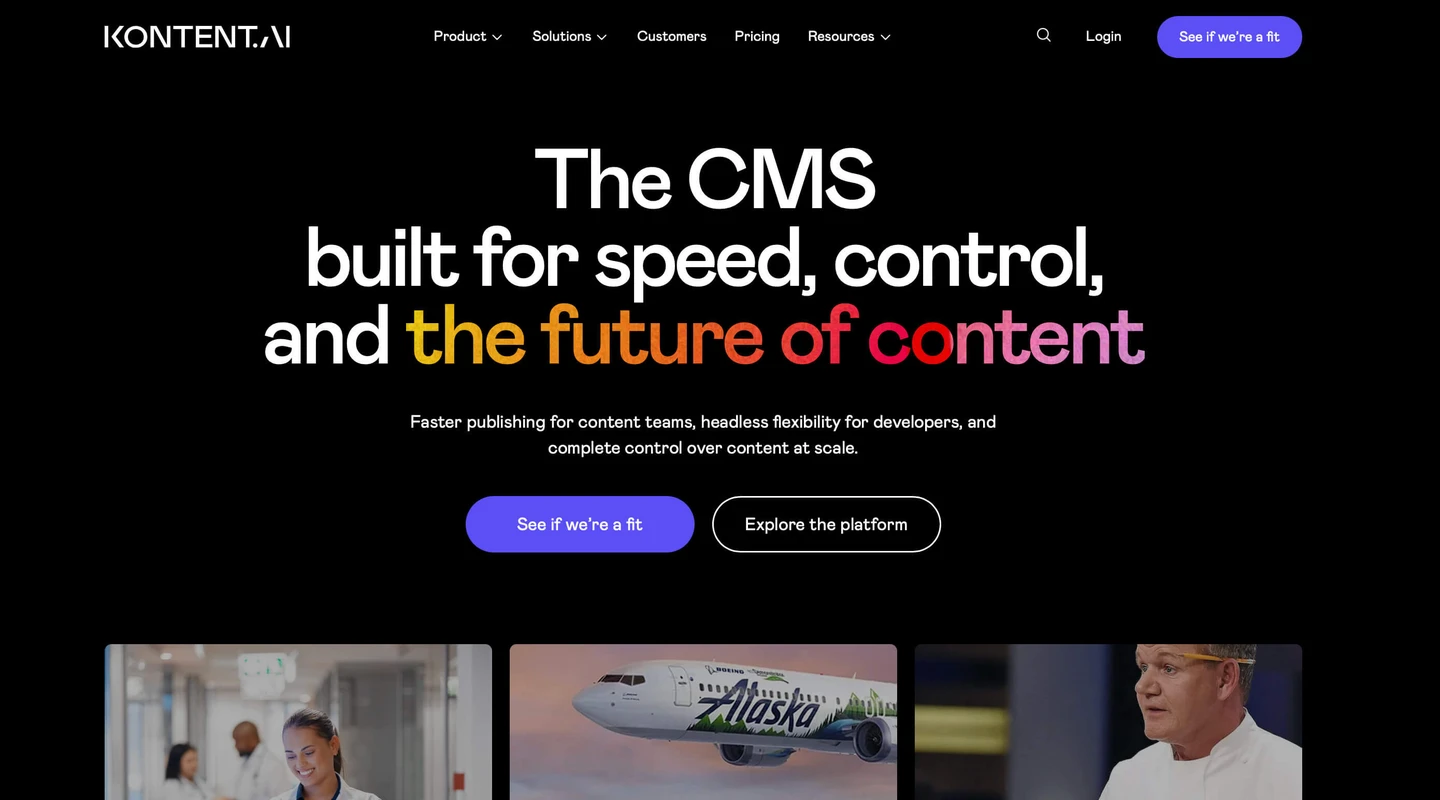
Kontent.ai stands out as a modern content platform built for enterprise teams who need both developer flexibility and marketer autonomy. AI features help streamline content operations, offering recommendations and insights that support smarter decision-making throughout the content lifecycle.
The approach to structured content modeling is sophisticated, allowing developers to build complex structures while keeping things intuitive for content creators. True omnichannel delivery through GraphQL and REST APIs ensures content flows seamlessly across all channels. Advanced workflow management and granular permissions enable large teams to collaborate efficiently without bottlenecks.
Teams consistently praise the platform’s reliability, performance, and transparent pricing model that scales predictably. Leading brands trust Kontent.ai for enterprise-scale content operations, appreciating the balance between power and usability.
Flexible and familiar, but showing its age
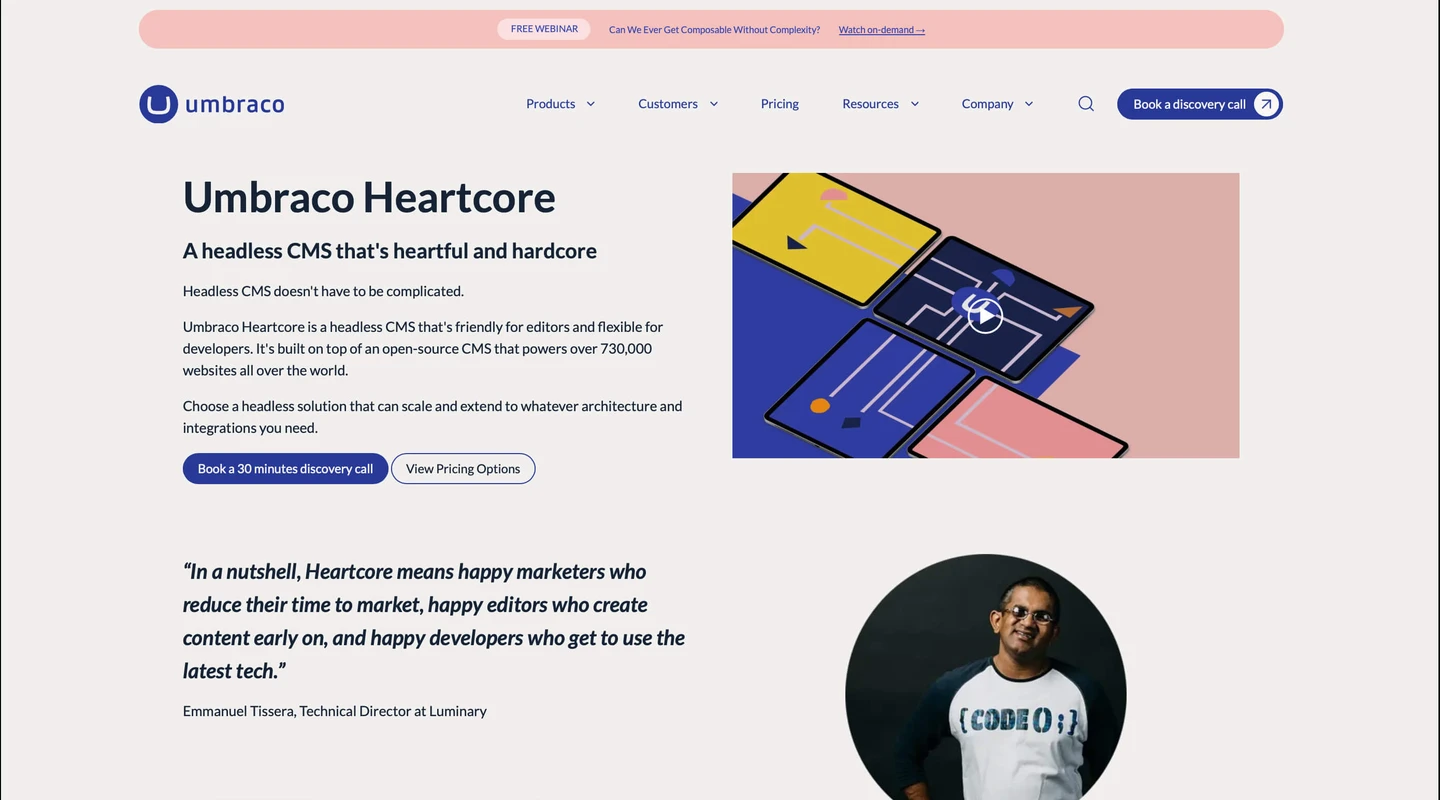
Umbraco has long been a favorite in the .NET community, offering a friendly interface and solid customization options. Its open-source nature appeals to teams who value transparency and control. However, its monolithic roots create challenges for modern content operations.
Teams pursuing true headless architecture often find Umbraco’s approach feels retrofitted rather than purpose-built. The learning curve can be steeper than expected, and cloud capabilities lag behind newer platforms. It’s a solid choice for traditional .NET shops, but may frustrate teams seeking cutting-edge features.
Java-based heritage meets modern aspirations
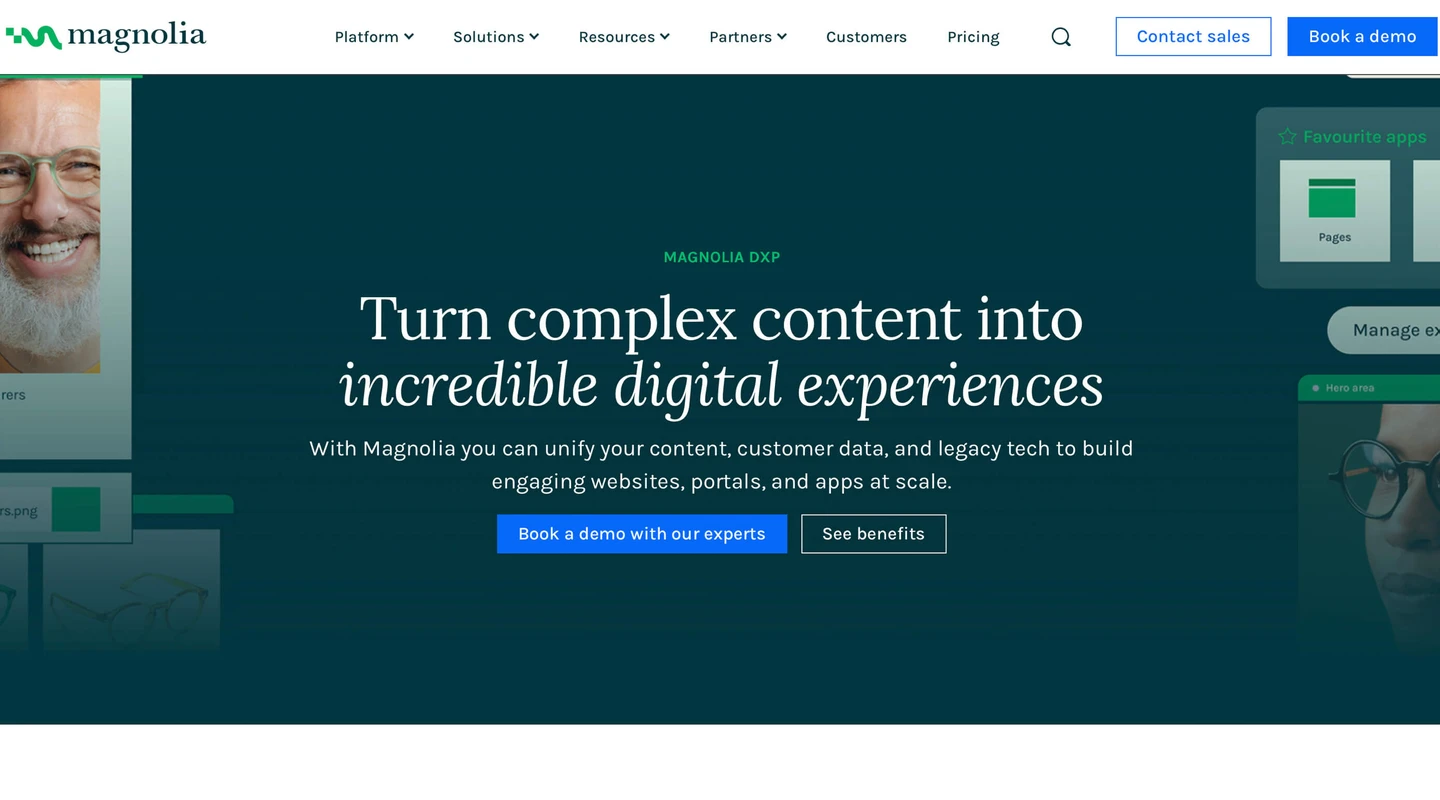
Magnolia brings decades of enterprise experience to the table, particularly in industries like financial services and healthcare. Its DXP capabilities extend beyond basic content management, which can be valuable for complex digital ecosystems.
The challenge? That same complexity becomes a burden for teams who simply want to publish great content quickly.Heavy infrastructure requirements, lengthy implementation cycles, and a developer-intensive workflow mean you’ll need significant resources to make Magnolia work. Smaller, more agile teams often find themselves overwhelmed.
Slice-based approach with limited enterprise depth
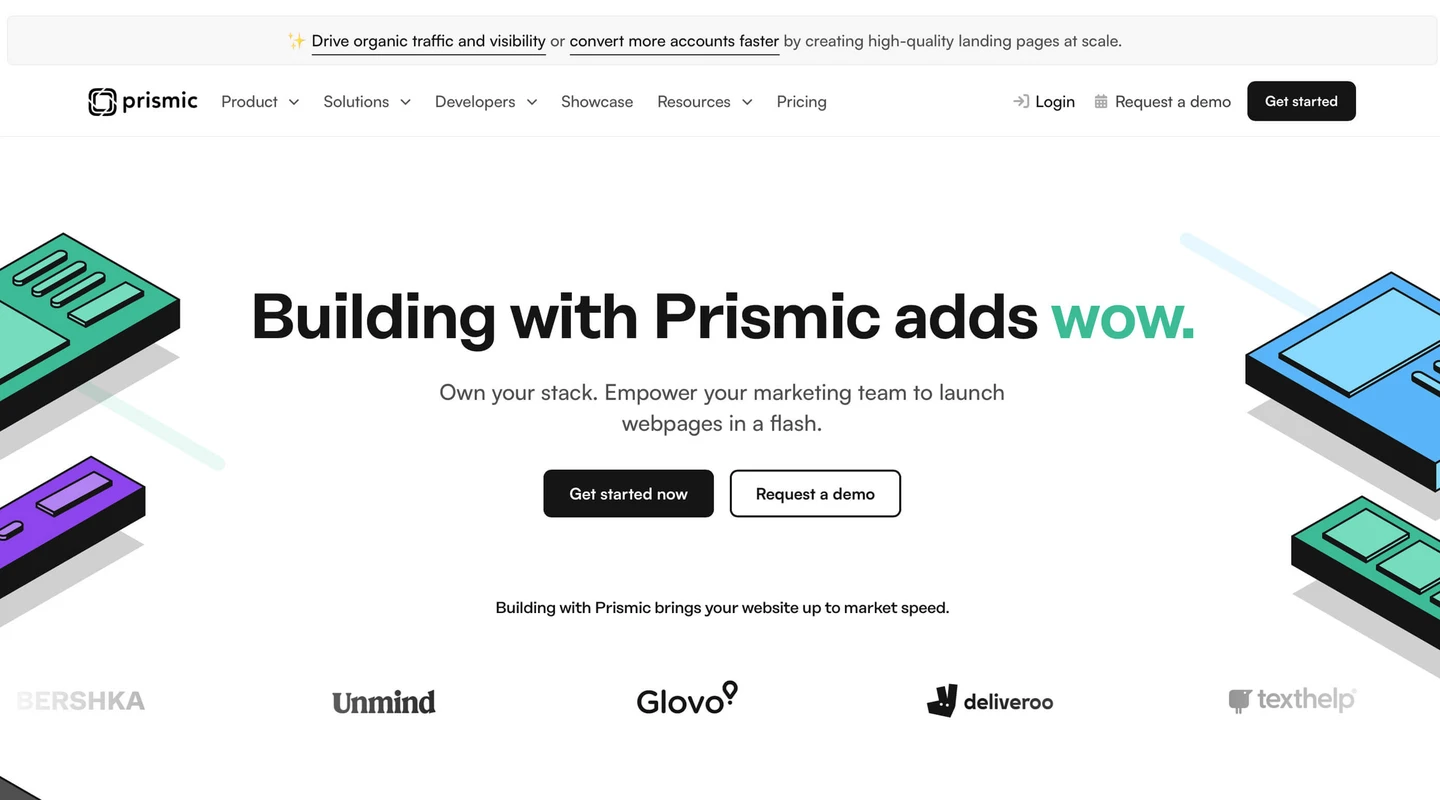
Prismic brings an interesting slice-based content modeling approach that some smaller teams find intuitive. The platform works well for straightforward websites and simple content structures, with a relatively gentle onboarding experience.
However, enterprise teams quickly hit walls. Limited workflow capabilities, basic permission structures, and shallow integrations mean you’ll outgrow Prismic faster than you’d expect. The slice model that initially feels clever becomes restrictive as content needs evolve. It’s a decent starter CMS, but not built for serious scale.
Marketing automation meets content management
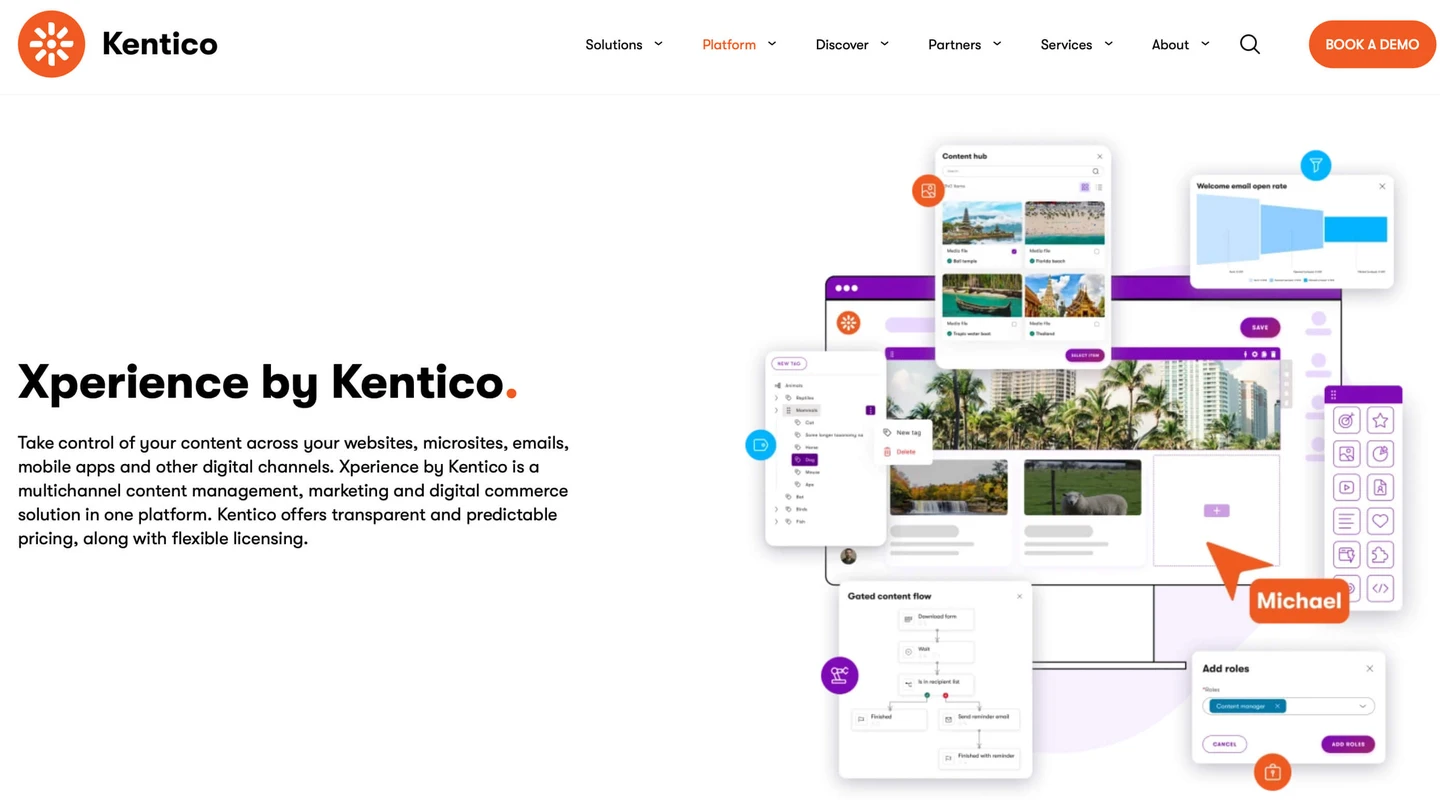
Xperience by Kentico combines CMS capabilities with marketing automation tools, creating an all-in-one platform for digital marketing teams. For organizations heavily invested in the Microsoft ecosystem, it offers familiar territory and decent integration options.
But this “all-in-one” approach has drawbacks. The platform can feel bloated for teams who only need content management. Performance concerns and a somewhat dated interface have been noted by users. Modern composable architectures often deliver better results with more flexibility.
Open-source flexibility meets maintenance overhead
Strapi appeals to developers who want full control and don’t mind rolling up their sleeves. As an open-source, self-hosted option, it offers unlimited customization possibilities and zero licensing fees upfront.
The reality of maintaining Strapi is less rosy. Security updates, scaling infrastructure, plugin compatibility issues, and ongoing DevOps demands add up quickly. What starts as a cost-saving measure often becomes expensive in developer time. The admin interface also lacks polish compared to commercial alternatives. Fine for side projects, questionable for mission-critical content operations.
Data-first architecture with a learning curve
Directus takes a unique approach by wrapping your database with an API and admin interface. For teams with existing databases or specific data modeling needs, this flexibility can be appealing. The open-source model offers transparency and control.
But this database-centric approach creates friction for content teams. The interface feels technical rather than content-focused, and non-developers often struggle with concepts that should be straightforward. Performance tuning requires database expertise, and the learning curve for both developers and editors is steeper than necessary. It’s powerful in the right hands, but those hands need to be technical.
API-first with enterprise ambitions
Contentstack positions itself squarely in the enterprise headless CMS space, offering solid API capabilities and multi-site management. The platform handles complex content structures reasonably well and can scale to support large organizations.
However, the editing experience often feels like an afterthought. Workflows can become clunky, and the absence of true visual editing capabilities leaves content creators dependent on developers for even simple changes. Some users report that the platform’s complexity doesn’t always translate to equivalent capability, creating frustration for teams expecting more intuitive operations.
Developer paradise, marketer’s puzzle
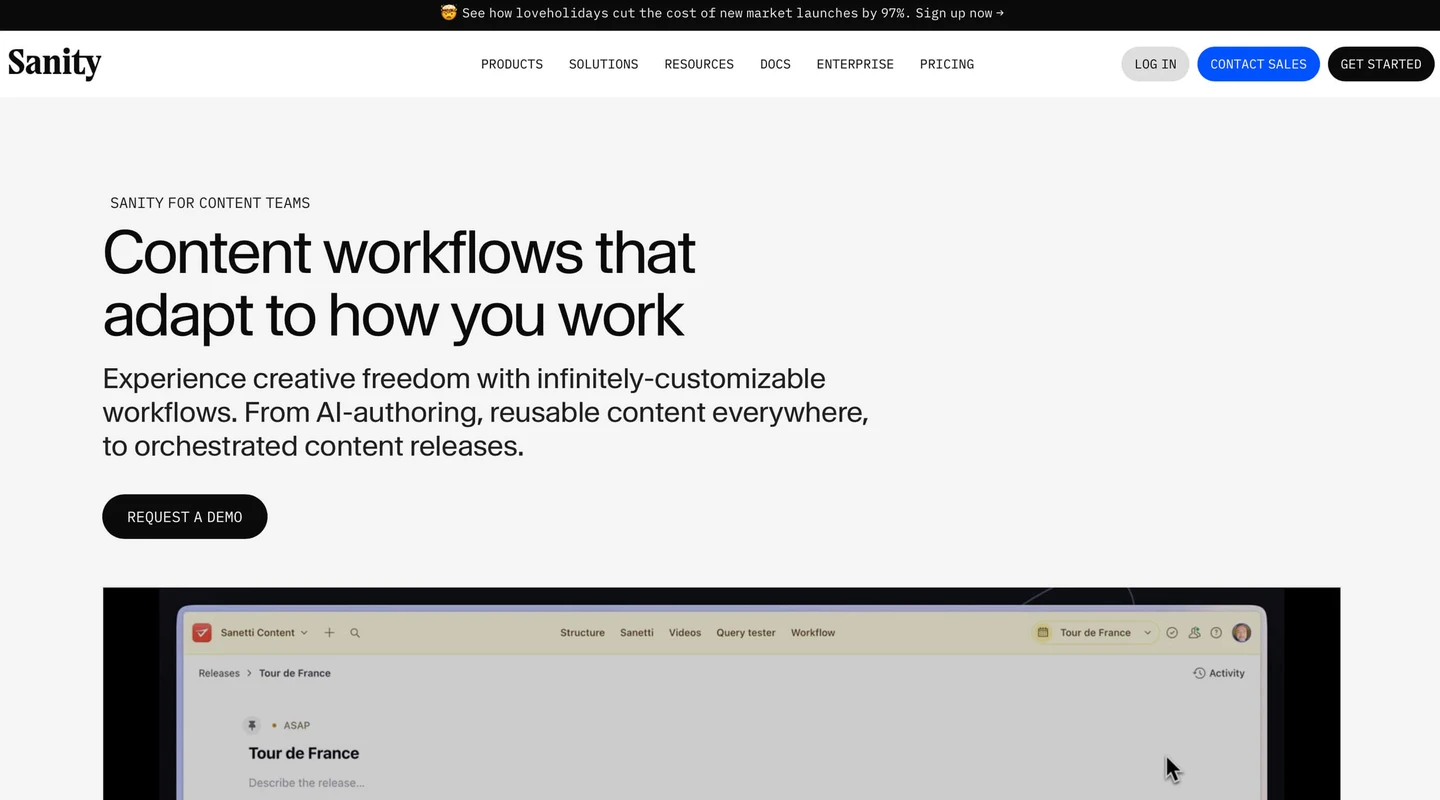
Sanity has earned a devoted following among developers who appreciate its flexibility and real-time collaboration features. The platform’s customization possibilities are genuinely impressive, and technical teams can build exactly what they envision.
But this developer-first approach creates significant challenges for non-technical users. Content creators and marketers often struggle to work independently, creating bottlenecks that slow content operations. The learning curve is steep, and the platform requires ongoing developer support for tasks that should be self-service. Teams choosing Sanity must commit substantial development resources to bridge the gap between platform capabilities and marketer needs.
Visual editing with growing pains
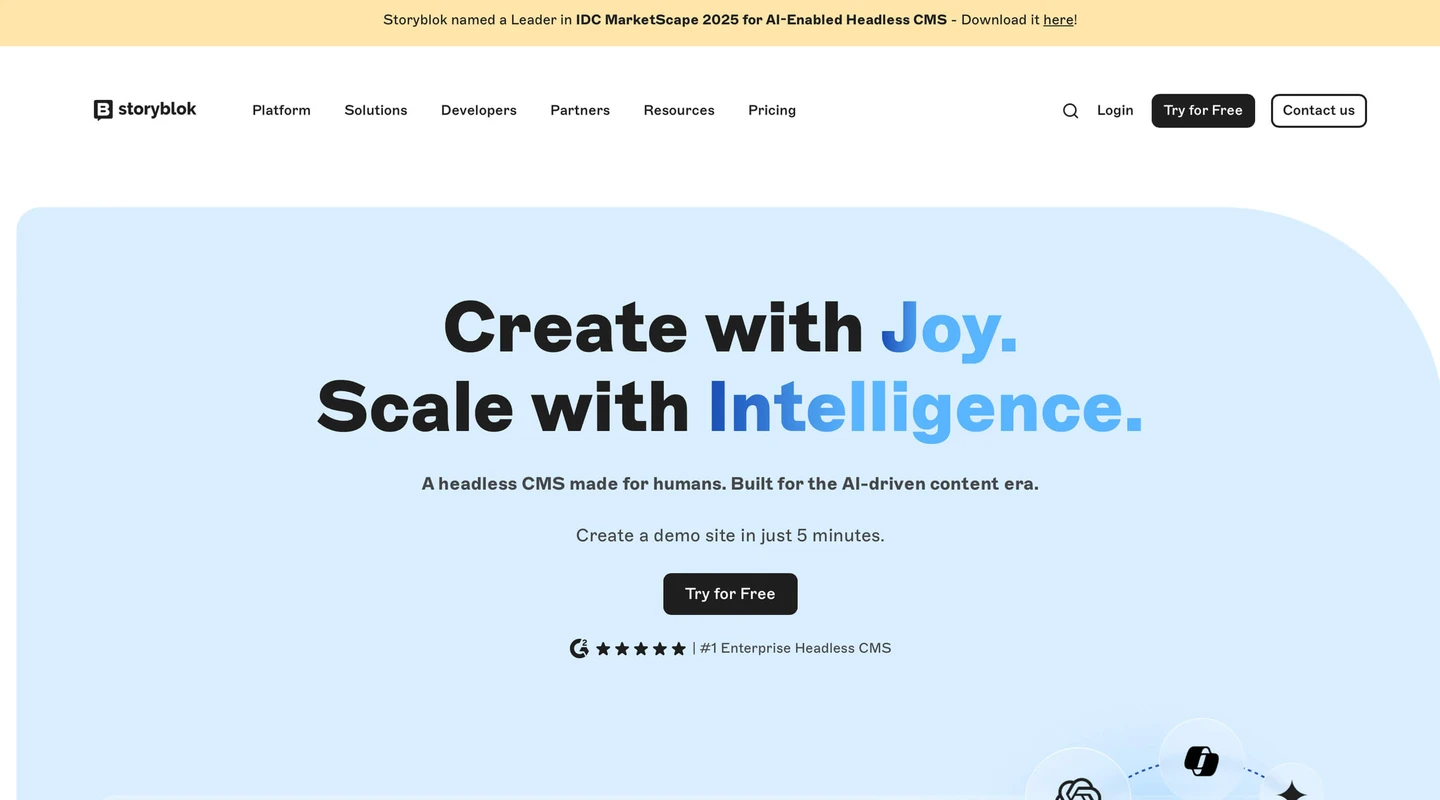
Storyblok markets itself as the CMS that makes both developers and marketers happy, emphasizing its visual editor and component-based approach. The interface is admittedly more approachable than some competitors, and the visual editing experience is a step up from purely code-based systems.
However, scratch beneath the surface and limitations emerge. Performance can suffer at enterprise scale, and some users report that the promised ease of use doesn’t fully materialize for complex projects. The platform’s relatively younger architecture means it lacks the battle-tested reliability and depth of features found in more mature enterprise solutions. While Storyblok works for certain use cases, teams with serious enterprise requirements often find themselves needing more robust capabilities.
There’s no universal “best” CMS, but there are better and worse fits for your specific situation. The key is understanding what matters most to your organization: Is it AI-powered intelligence? Enterprise scalability? Developer experience? Editor autonomy?
As you evaluate alternatives, consider these essential questions:
Start with a trial. The best way to evaluate any CMS is to use it. Take advantage of free trials, request demos, and get hands-on with the platforms that interest you most.
For teams seeking a true enterprise-grade alternative that doesn’t sacrifice innovation for stability, Kontent.ai consistently delivers. But ultimately, the best choice is the one that empowers your team to create exceptional content experiences without compromise.
Ready to explore the smarter alternative? Try Kontent.ai for free today.

What if we told you there was a way to make your website a place that will always be relevant, no matter the season or the year? Two words—evergreen content. What does evergreen mean in marketing, and how do you make evergreen content? Let’s dive into it.
Lucie Simonova

How can you create a cohesive experience for customers no matter what channel they’re on or what device they’re using? The answer is going omnichannel.
Zaneta Styblova

To structure a blog post, start with a strong headline, write a clear introduction, and break content into short paragraphs. Use descriptive subheadings, add visuals, and format for easy scanning. Don’t forget about linking and filling out the metadata. Want to go into more detail? Dive into this blog.
Lucie Simonova